Best On-page SEO Practices for a New Website

When launching a new website, on-page SEO plays a crucial role in building a strong foundation for search visibility. Before rankings, backlinks, or traffic, it helps search engines understand what your website is about and how it should be indexed.
On-page SEO defines your website’s purpose, guides search engines on how to crawl and index your pages, and influences where your site appears in search results. Since a new website has no backlinks or domain history, optimizing on-page elements becomes even more important. Well-structured titles, clear headings, relevant keyword usage, and smart internal linking improve relevance, crawlability, and user experience right from the start.
To help you get started, we’ve highlighted the best on-page SEO practices to follow in 2026 for a brand-new website. These steps will guide you on how to structure each on-page element effectively and give your digital journey a strong and sustainable start.
What is On-page SEO?
On-page SEO means improving individual web pages using elements like content, headings, titles, internal links, and images. Its main purpose is to help search engines clearly understand what a page is about so it can be indexed and ranked properly.
Before we look at the best on-page SEO practices, let’s understand how it helps your website, especially if it’s new.
Key Benefits of On-Page SEO:
- Helps your website use the right keywords so it can rank faster, even in competitive areas
- Makes it easier for search engines to understand your content and match it with what users are searching for
- Speeds up indexing, which is important for new websites with no authority
- Improves content clarity and navigation, reducing bounce rates
- Enhances website structure, readability, and overall user experience
Key On-Page SEO Practices for New Websites
Below are the essential on-page SEO practices every new website should follow in 2026 to improve indexing, visibility, and user experience.
1 – Keyword Research & Search Intent
Choosing the right keywords is one of the most important on-page SEO practices in 2026. Your keywords should match what users are actually searching for and the purpose behind their search. When keywords align with user intent, your website becomes more relevant and easier to find.
Here are the key steps to follow!
- Choose one primary keyword that can well complement the webpage’s core context.
- To support semantic relevance, add 3 to 5 secondary keywords to the list.
- Identify the search intent— commercial, informational, or transactional— to align keywords with your users’ expectations.
- Analyze competitor webpages to gain insights about the keywords that drive traffic for them.
2 – SEO-friendly URL Structure
A webpage’s URL plays an important role in explaining what the page is about. It helps search engines understand the page topic and also gives users a clear idea of what they can expect before clicking. A clean and relevant URL makes your website easier to crawl, improves trust, and enhances user experience. That’s why maintaining a simple, keyword-focused URL structure is an important part of on-page SEO, especially for new websites.
- Keep URLs short, clean, and easy to understand.
- Include the primary keyword naturally in the URL.
- Avoid dynamic parameters, extra folders, and special characters.
- Use the same URL format across all pages for better navigation.
- Use hyphens instead of underscores to improve readability.
- Avoid stop words like “and,” “the,” or “of” unless they are necessary.
- Follow a logical URL structure that clearly reflects your website hierarchy.
3 – Optimize Title Tags
Title tags, undoubtedly, are one of the most influential on-page SEO elements that should be harnessed to the fullest capacity. Using the appropriate tags can exponentially drive click-through rates for newer websites. Here’s how to optimize these elements accurately.
- Keep the title between 50 to 60 characters to avoid it getting cut off in search results.
- Place the primary keyword at the beginning of the title for better relevance.
- Add secondary keywords only if they fit naturally and make sense.
- Include a value element, such as a benefit or solution, to improve click-through rates.
- Make sure every page has a unique title to avoid duplication.
4 – Meta Descriptions
Meta descriptions do not directly impact rankings, but they play a key role in improving click-through rates. A well-written meta description helps users understand what the page is about and encourages them to click on your website from search results.
A good meta description should clearly summarize the page, highlight its value, and set the right expectation for users. Keeping it between 150 to 160 characters helps avoid truncation and ensures important information is visible. You can include the primary keyword and, if relevant, one secondary keyword to improve relevance. Using clear benefits and action-oriented language can further increase engagement.
Header Tags Optimization (H1, H2, H3)
Header tags help organize your page content in a clear and readable way for both users and search engines. They make it easier to understand the structure of your content and improve overall readability.
Each page should have only one H1 tag, which clearly reflects the main topic and includes the primary keyword. H2 and H3 tags should be used to break the content into logical sections and sub-sections. This improves content flow, supports natural keyword placement, and helps search engines scan and understand your page more effectively. A clear header structure also improves crawlability and supports stronger ranking signals.
High-Quality, SEO-friendly content (EEAT-based)
One of the best on-page SEO practices is to maintain optimal quality for the webpage content by capitalizing on three primary parameters— relevance, value, and depth. If you go through top-ranked pages, you will come across well-positioned keywords, semantic variations, and natural synonyms. The best way to achieve this level of finesse in your content is to follow the E-E-A-T principle. Here’s how to apply it.
- Expertise: Providing accurate insights, data, and examples to delineate subject knowledge
- Experience: Adding real observations, use cases, and practical guidance.
- Authoritativeness: Referencing credible sources or demonstrating brand authority.
- Trustworthiness: Maintaining clarity, originality, and correctness to build reader’s confidence
Image optimization
Image optimization is an important on-page SEO practice, especially for new websites. It helps improve page loading speed, search visibility, and overall user experience. Images should be compressed to reduce file size without affecting quality, which supports faster loading and better Core Web Vitals performance.
Using descriptive, keyword-focused file names helps search engines understand what the image is about.
Example: Instead of IMG123.jpg, use seo-services-india.jpg.
Adding ALT text provides a clear description of the image, supporting both SEO and accessibility.
Example ALT text: SEO performance dashboard showing keyword rankings.
Converting images to modern formats like WebP further improves performance by offering better compression and faster load times compared to PNG or JPEG formats.
Internal Linking Strategy
Internal linking helps both search engines and users find important pages on your website easily. It improves navigation, supports better crawlability, and helps distribute page authority across your site. A well-planned internal linking strategy is especially important for new websites.
Best practices for internal linking:
- Use descriptive anchor text that clearly explains the linked page.
Example: Use “on-page SEO checklist” instead of “click here”.
- Link only to relevant and contextually related pages to add value for users.
- Avoid generic anchor texts like “click here” or “read more”.
- Maintain a logical linking structure so search engines can crawl your website more effectively.
- Give priority to linking important or newly published pages to improve their visibility.
- Make sure no page is left without internal links, as orphan pages are harder for search engines to discover.
- Use a mix of in-content links and navigation links to support both SEO and user experience.
External (Outbound) Links
External links, on the other hand, enhance content quality as they point readers to credible, authoritative resources. However, you cannot randomly include just any link in your website. These need to be optimized and should follow a proper strategy. Here’s what to look out for.
- Linked pages must be thoroughly evaluated for reliability and accuracy.
- Outbound links should be added only where they genuinely enhance the reader’s understanding.
- The links must point to reputable, trusted websites having relevance with your webpage’s context.
- Contextual, natural anchor texts must be used over forced anchors.
- Overlinking must be avoided strictly as it distracts users.
Mobile Optimization
Now that Google leverages mobile-first indexing, mobile optimization has become one of the best on-page SEO practices. A responsive design ensures your content can adjust smoothly to different screen sizes, with no friction in the process. This will enhance usability for mobile users while ensuring optimized load times across devices.
It’s better to conduct mobile usability checks to identify and fix minor yet impactful issues like overlapping elements, small texts, cumbersome navigation, and slow loading. Using mobile-friendly fonts, optimizing the images, and ensuring easy-to-tap buttons will further contribute to an improved user experience immensely.
Page Speed Optimization
A website’s loading speed is one of the major determinants of its performance. If this parameter is not up to the mark, getting the expected rank in the SERPs will be next to impossible. So, here’s what you need to do to optimize the loading speed.
- Minifying JavaScript and CSS scripts to remove unnecessary characters
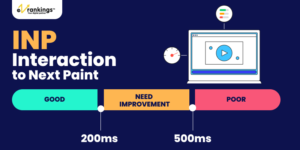
- Monitoring all the core web vitals to understand interactivity, loading, and visual stability issues
- Enabling browser caching for faster loads in case a visitor returns back to the page
- Compressing all image files to reduce weight but not compromise quality
- Using server-level caching or CDN caching for global performance improvements
Schema Markup for New websites
Consider the schema markup to be a structured data added to every webpage so that search engines can understand the context clearly. Some of the common types include Article, How-To, FAQ, local business, review, product, and organization schema. Applying the right one will help the website categorize content accurately and appear in relevant searches. The following are some of the benefits businesses can enjoy.
- Improved CTR through enabling rich snippets
- Enhanced search visibility with more detailed SERP entries
- Better understanding of the page’s purpose and context
- Increased chances of appearing in rich results and featured snippets
- Trust building by displaying structured, verified information only
User Experience (UX) signals
One of the best on-page SEO practices that businesses should leverage is the incorporation of the User Experience signals. Here’s what to follow.
- Maintaining proper font sizes across all devices for legibility
- Using clean, uncluttered layouts to guide user attention naturally
- Ensuring navigation menus are visible, simple, and intuitive
- Adding generous spacing between elements to eliminate a cluttered look
- Keeping page structure consistent for predictable browsing
- Minimizing intrusive pop-ups that could disrupt readings and hamper rankings
- Improving interaction cues— hover states, button clarity, and clickable areas
- Ensuring CTAs are easy to spot without being too overwhelming
Content Freshness and Updates
With fresh content uploaded, search engines will be encouraged to revisit your new website more often. This will automatically improve engagement and visibility. Fresh content also ensures information stays accurate, relevant, and competitive over time. Consistent updates can strengthen search performance and enhance the overall user experience.
Below are effective ways to maintain content freshness:
- Refreshing statistics, internal links, and FAQs
- Updating high-traffic pages periodically with new insights
- Adding fresh sections based on search trends and user behaviors
- Rewriting outdated paragraphs or optimizing content depth
- Updating meta titles and descriptions once content changes
- Adding new images, visuals, and charts to improve engagement
Setting Up tracking Tools
One of the best on-page SEO practices to embrace is the usage of tracking tools to monitor performance in detail. For example, Google Analytics helps track traffic sources, user behaviors, engagement metrics, and conversions. Google Search Console, on the other hand, provides valuable insights into indexing, crawl issues, keyword performance, and technical improvements. Big Webmaster Tool offers additional diagnosis and visibility for Bing’s search engine ecosystem.
Together, all these platforms will help understand the logic or programs search engines leverage to view new websites, identify opportunities, and resolve the underlying issues faster.
Common on-page SEO mistakes to avoid
Below are some common on-page SEO mistakes that should be avoided to improve website visibility and performance.
Keyword Stuffing
Once the same term is excessively used in a single page to rank higher, it’s called keyword stuffing. Instead of assisting, it signals spam website to the search engines, thereby damaging readability by several notches. For newer websites, over-optimization can slow early progress. So, the best on-page SEO practices to overcome this mistake are:
- Adding semantic and related terms instead of repetitions
- Using primary keywords naturally with the flow
- Writing for readers first, search engines second
- Maintaining a natural keyword density of 1 to 2%
Duplicate content
Any type of duplicated content usually leaves the search engines confused, thereby splitting ranking potential across multiple versions of the same page. If new websites aim to earn higher visibility, they need to avoid making this mistake. Here’s how.
- Ensuring every webpage content is 100% original and authentic
- Avoiding manufacturer descriptions or plagiarized materials
- Using canonical tags for duplicates that often pose as unavoidable
- Updating similar pages with added depth or unique perspectives
- Regularly auditing content to identify potential repetitions
Missing Meta Tags
Both meta titles and descriptions play an imperative role in guiding search engines and influencing users to click on the URLs. Hence, if they are missing, your webpages will lose visibility, clarity, and click-through potential. New websites thus fail to gain the required traction, especially in competitive niches. Here’s how to overcome this hurdle.
- Writing unique meta titles for every page
- Maintaining the ideal character count for the descriptions
- Including primary and secondary keywords naturally
- Ensuring titles can connect with the page’s content
- Using dynamic tags only when necessary and in a controlled manner
No internal linking
The sheer absence of internal links isolates the pages and harms the crawlability metric. Search engines, thus, find it harder to discover and index new content. That’s why here are the best on-page SEO practices to improve the structure.
- Linking to high-value and important pages from new posts
- Using descriptive, keyword-relevant anchor texts
- Ensuring no orphan pages are present
- Adding contextual links within the content body
- Maintaining a balanced link flow across the website
Overuse of Images without Compression
Using too many uncompressed images will automatically slow down the page loading speed, thereby decreasing the ranking and the overall user experience. Large files are harder to load, which further increases the bounce rates and limits mobile performance. Here are the best ways to cater to this challenge.
- Compressing the image files with tools like TinyPNG or WebP formats
- Naming files with descriptive, keyword-friendly terms
- Reducing image size without losing clarity or introducing distortions
- Avoiding unnecessary decorative images
- Adding ALT text for SEO and accessibility
Thin Pages with Low Content Value
These webpages often lack insights, depth, and substance, which further render them useless for users and unworthy for search engine rankings. New websites need to avoid this mistake as it signals poor quality and demeans the overall authority. Here’s how to strengthen the pages.
- Adding examples, data, or actionable steps
- Providing detailed, informative explanations
- Using semantic keywords for content expansion
- Ensuring every page answers user intent clearly
Conclusion
By following the right on-page SEO practices, businesses can give their website the best chance to be discovered, indexed, and ranked by search engines. Optimizing content, site speed, structure, and user experience from the start helps create a strong, search-friendly foundation that supports long-term growth. However, on-page SEO is not a one-time task—it requires regular audits, updates, and continuous improvements.
If you’re looking for a trusted SEO company to manage on-page SEO effectively, EZ Rankings can help. Our team focuses on ongoing optimization, performance tracking, and proven strategies to ensure your website stays competitive and continues to grow over time.