
Type your company name into Google. What comes up first? A five-star review? A complaint? An old news mention you forgot about?
That page of results shapes opinion within seconds. In 2026, that moment matters more than any brochure or sales pitch.
People do not walk into a business without researching it first. They read reviews. They scroll through comments. Some even ask AI tools for a quick summary before deciding whether to trust a brand.
Reputation management is about taking responsibility for that public image. It means knowing what people see and making sure it reflects the reality of your service.
A strong reputation brings enquiries. A poor one quietly pushes them away. Revenue, partnerships, and long-term growth are all influenced by how your business is perceived online.
What Is Reputation Management?
At its core, reputation management is simple. It is the ongoing effort to understand and guide how others view your business. Reputation exists in many places. It appears in search results, review platforms, social media discussions, online articles, and increasingly in AI-generated responses. Offline conversations still matter, but digital impressions now travel faster and reach further.
There are two sides to managing reputation. One is reactive. That means responding when something goes wrong, replying to reviews, correcting false claims, and addressing concerns.
The other is proactive. That involves building a steady stream of positive visibility through good service, thoughtful communication, and consistent online presence.
Why is Reputation Management Necessary?
Whether you manage it or not, your reputation is being shaped daily. The question is whether you are guiding it or leaving it unattended.
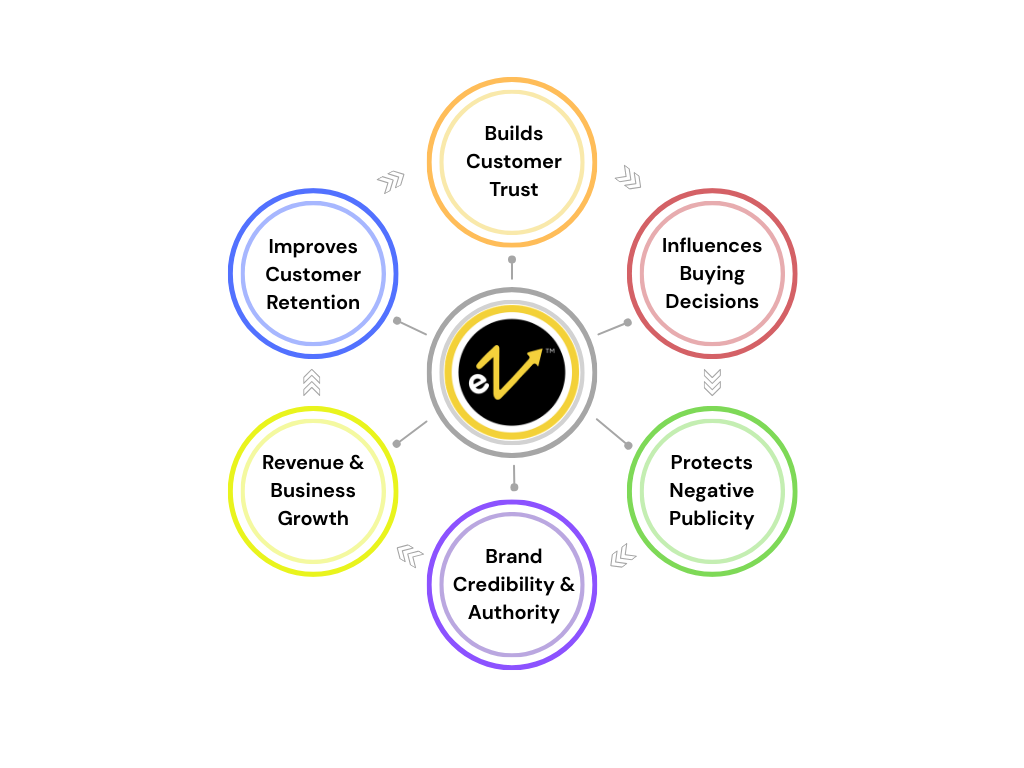
Builds Customer Trust
Trust takes time to build. It develops when people see consistency.
Before buying, most customers look for reassurance. Reviews provide that reassurance. Patterns matter more than single comments. If a business responds politely, thanks customers for feedback, and handles criticism calmly, it sends a strong signal.
Silence often raises doubts. A thoughtful response builds confidence.
Customers want to feel safe. They want to know that if something goes wrong, the business will listen and act responsibly. A well-maintained reputation creates that sense of security.
In competitive markets where products and prices look similar, trust becomes the deciding factor for customers.
Influences Buying Decisions
Think about the last time you made an important purchase. You probably compared options. Most people do.
Consumers now research carefully. They move between websites. They read reviews from strangers. They check ratings. They look for warning signs.
This process is quietly formed by reputation. When the feedback is genuine and regular, the brand will appear to be reliable. When there are too many complaints and the response is not immediate, then hesitation sets in.
It takes little doubts to change a decision. Buyers prefer certainty.
Reputation does not shout for attention, yet it influences outcomes at every stage of the customer journey. By the time someone contacts your business, an opinion has already formed.
Protects Against Negative Publicity
No business avoids criticism forever. Delays happen. Mistakes occur. Expectations are sometimes misunderstood.
The real issue begins when negative feedback sits unanswered. One visible complaint can influence dozens of potential customers.
Want results like this for your business?
Talk to our SEO & AI visibility experts — no forms, no waiting.
Get a Free ProposalReputation management brings structure to difficult moments. Complaints are acknowledged. Solutions are offered. Clarifications are shared when necessary.
Quick, calm communication often prevents minor issues from escalating. It also limits the spread of misinformation.
People understand that problems arise. What they watch closely is how a business responds. A measured response can protect credibility. Ignoring the issue usually damages it. Think of it as a long-term ongoing task for your brand.
Supports Brand Credibility and Authority
Reputation is not only about defence. It also strengthens positioning. When accurate, positive information consistently appears in search results, credibility grows. Helpful insights, industry commentary, and media mentions all contribute to authority.
Over time, this shapes perception. The business becomes known not only for its services but also for its expertise.
Due to this, authority attracts better opportunities. Clients approach with greater confidence. Partnerships feel more secure.
This kind of credibility develops gradually. It requires attention and consistency. Reputation management keeps that process on track. When customers notice a higher authority among other brands, you gain a direct edge over them.
Impacts Revenue and Business Growth
The relationship between reputation and revenue is practical. It can be observed in daily business practice.
Good perception on the part of the people enhances conversion rates. It makes the prospects confident and proceed with greater ease. Customers have confidence in a brand and this results in increased referrals.
Online presence is also analysed by investors and partners. They consider reviews, media coverage, and visibility in general and make a commitment. A reputation of stability is an indication of reliability.
When your actions are backed by perception, development is stable. When it is used against you, then it slows down the progress.
Image is nothing in comparison to reputation. It influences financial performance.
Improves Customer Retention
Winning a customer once is valuable. Keeping them is even more important.
Customers who feel heard tend to return. A simple, respectful reply to feedback can strengthen loyalty. Ongoing engagement shows that the relationship continues beyond the transaction.
Satisfied clients often become advocates. They share experiences. They recommend the business to others. Their voice carries weight.
Retention grows when customers believe the business values their opinion. Reputation management reinforces that belief through consistent, thoughtful interaction.
Over time, loyal customers become one of the strongest drivers of sustainable growth. Moreover, you don’t need to spend heavily on ads to boost your brand name.
Conclusion
Reputation management is no longer a secondary concern. In 2026, it sits at the centre of business performance.
People research before they engage. They compare. They observe how companies respond under pressure. Digital perception forms quickly and spreads widely.
A reputation that is carefully maintained creates trust, authority and cushions against unavoidable harm. It also increases the possibilities in revenues and long-term development.
Ignoring public perception does not make it disappear. It simply removes your ability to shape it.
Businesses that want stability and a clear competitive edge invest in structured reputation management.
EZ Rankings – Online Reputation Management Company offers professional support to monitor, protect, and strengthen your online presence, helping your brand grow with confidence in an increasingly transparent digital world.

Mansi Rana
TEDx speaker and digital marketing expert with 22 years of experience driving business growth through innovation and strategy. Known for leadership rooted in both IQ and EQ, with a focus on ethical marketing and collaboration.
LinkedIn