Content Optimization Tips: Complete Guide for Better Engagement

Creating content alone is no longer enough in today’s crowded digital space. With thousands of businesses competing for visibility, shorter attention spans, and search engines becoming smarter, following proven content optimization tips has become essential. Content optimization focuses on creating and refining content so it is easy to discover, simple to read, highly relevant, and driven by results. Every asset, whether a blog post, landing page, or resource guide, should follow SEO best practices while delivering meaningful information that directly addresses user intent.
Content optimization acts as the connection between what search engines prioritize and what users expect. By applying the right content optimization tips, businesses can improve search rankings, increase organic visibility, keep users engaged for longer, and support a smooth customer journey. This guide on content optimization tips covers the fundamentals that truly matter, common mistakes to avoid, effective ways to measure performance, and advanced strategies used by leading brands. Whether you are improving existing content or creating new pages, this guide serves as a practical reference for driving consistent performance and long-term engagement.
What Is Content Optimization?
Content optimization is the process of refining digital content in a structured way to perform well in search engines and create value for users. It includes harmonising the structure of your content, keywords, metadata, readability, media elements, and technical factors to improve visibility and user experience. Optimising content makes it more understandable and indexed for search engine crawlers while also making it more interesting, informative, and accessible to human readers. Content optimisation is one of the main pillars of SEO strategy. It helps businesses create content that truly engages, ranks, and converts.
Why Content Optimization Matters
Content optimisation is critical for building tighter connections and achieving better discoverability, relevance, and engagement, which drive business outcomes. It shows it works: brand growth and long-term authority over time.
- Improves Search Rankings
Search engines emphasise the relevancy, depth, clarity, and technical accuracy of content. Optimised content tells algorithms that it is a comprehensive answer to user queries. All this will make your content more competitive with strategic keyword usage, enhanced metadata, structured headers, and search intent. The top positions in search guarantee organic visibility, a better reputation, and a predictable flow of qualified traffic independent of paid channels. Content optimisation is essential for any business seeking long-term SEO success.
- Enhances User Engagement
Optimised content brings clarity, structure, and readability, aspects that attract users to stay and engage more meaningfully. With well-organised content, it becomes easy for users to find what they are looking for. An interactive layout presentation, visual enhancements, and concise writing enhance the user experience. It sends very positive signals to search engines: high dwell time, low bounce rate, and internal page views. In return, high-quality, well-optimised content provides user satisfaction and strengthens ranking.
- Supports Conversions
Every piece of content is created with a clear goal, whether it is to capture leads, drive enquiries, or support sales. Optimised content delivers focused messaging, clearly explains the value proposition, and makes it easier for users to take the next step. Strong conversion performance depends on clear calls to action, persuasive messaging, well-structured content, and relevant information.
Content optimisation goes beyond answering user questions. By following practical content optimization tips, it also helps remove confusion or obstacles that may slow decision-making, allowing users to move forward smoothly and take action with confidence.
- Helps Long-term Content Performance
Where paid campaigns fall flat, optimised content can continue driving results well past the publication date. Quality content, mapped to both SEO and user experience best practices, remains relevant and thought-leading in the long term. It refreshes at intervals to evolve in concert with new search algorithms, shifting user behaviours, and emerging industry trends. The result is continued traffic, sustained lead volume, and better brand equity from optimised content. Companies that focus on optimisation build a repository of content that is better positioned to deliver multi-year ROI with reduced ongoing expenses.
Key Content Optimization Tips
The following content optimisation tips provide a step-by-step approach to building better-ranking, more deeply engaging, and more conversion-oriented content.
Perform Keyword & Topic Research
Keyword research is the basis for a well-planned content optimisation strategy. First, identify the main keywords that represent the overall topic; then create secondary and long-tail keywords that address other questions, subtopics, and related themes. Understand the search intent – whether informational, commercial, or transactional – to ensure your content meets the actual user needs. Competitive analysis adds insight, helping you assess what works, what’s missing, and which opportunities you can leverage. Comprehensive keyword research leads to fully rounded, strategically targeted content.
Optimise On-Page SEO Elements
On-page SEO directly affects how search engines perceive your content and, eventually, how they rank it.
- Use the primary keyword in the title tag and make it an attention-grabber.
- Write a clear, compelling meta description that will motivate clicks.
- Keep clean, keyword-rich URL structures.
- Use header tags (H1, H2, H3) to structure your content logically.
- Use targeted keywords throughout the introduction, headings, subheadings, and body.
Optimising on-page elements ensures that search engines correctly interpret your content and that real users have an easy, structured reading experience.
Improve Readability & Structure
It is more readable and satisfying for users, allowing them to spend more time on the website. Short sentences and short paragraphs grant clarity. Bullets and numbered lists break down complex topics into digestible sections. Subheadings make the article even more scannable and inform algorithms of the hierarchy within the topic. Proper formatting includes bold text, spacing, and consistent styling to ensure information is visually accessible. Professional content strikes a balance between depth and readability to meet the needs of both users and algorithms alike.
Optimise Images & Media
Carefully optimise high-quality visuals to enhance the user experience. Use alt text that describes the image and includes contextual keywords. Compress images to ensure fast page loading while maintaining quality. Choose visuals that better illustrate and help your story. Embedding videos when applicable can extend the time on the page and provide more detailed explanations. In fact, optimising media elements is crucial for the overall page experience.
Internal & External Linking
A correct linking methodology is an important part of effective content optimization tips and helps strengthen content depth and SEO performance. Internal links guide users to relevant pages within your website, encouraging longer visits and better crawlability. Anchor text should always be descriptive and closely related to the linked content.
External links add credibility by pointing users to authoritative sources, while outbound links should open in new tabs to retain visitors on your site. When internal and external links are used in a balanced and contextual way, they improve content authority and overall search visibility.
Optimise for User Intent
User intent defines the purpose behind every search query and is central to effective content optimization tips. Understanding whether a user is looking for information, comparing options, or ready to take action helps shape content that matches their expectations and performs well in search results.
Informational intent requires detailed explanations and insights, commercial intent focuses on comparisons and solution-driven features, while transactional intent demands clear CTAs, pricing, and decision-supporting content. When content aligns with these intent stages, users find exactly what they need, leading to higher engagement, improved rankings, and stronger SEO outcomes.
Increase Depth of Information & Value
Depth shows expertise. Add real-life examples, supporting data and statistics for the industry, expert opinions, and case studies that describe what works and the results in the real world. Answer some of the frequently asked questions within your copy to bring further context and enhance the possibility of ranking for featured snippets, too. Rich content with value beats its thinner cousins, earns a higher ranking, and deserves more user trust.
Add Strong CTAs – Calls-To-Action
CTAs will further guide the users in their next step on the journey. Lead-generation CTAs prompt users to sign up for newsletters or download an eBook. Service-based CTAs can include requests for consultations or demos. The soft call to action may be to “read related guides” or “explore additional resources,” which could lead to deeper engagement. Smart placement of CTAs strengthens user experience and makes conversion paths much stronger.
Optimise for Featured Snippets
Featured snippets offer premium SERP visibility. To rank for featured snippets, you need to optimise your content by using:
- Concise paragraph definitions
- Numbered lists
- Bullet Lists
- Tables
- FAQ sections
By answering common questions directly, you will have a reasonable chance of improving snippet rankings and organic traffic.
Optimizing Technical Content
Technical optimisation means that your content runs fast and smoothly across devices and platforms. Pursue best-practice page load speed through compression, caching, and clean code. Your content should be mobile-responsive. Add schema markup to help search engines understand the meaning of structured data. Improve crawlability by fixing broken links, updating your sitemaps, and creating strong internal linking structures. Technical optimisation provides many key benefits for long-term content performance.
Common Content Optimization Mistakes to Avoid
Common mistakes to avoid while optimising content
Keyword spamming
This, being unnatural, hurts readability and invites penalties. A balanced, semantic approach to writing ensures that your content flows like life itself while remaining SEO-friendly.
Thin or shallow content
Thin content does not satisfy users’ needs, nor will it perform impressively in search. Prioritise deep insights and thorough explanations over thinner content.
Ignoring search intent
Poor targeting leads to high bounce rates and low engagement. Always map intent to content tone and structure.
Poor formatting
A cluttered layout and long paragraphs make a text less readable. Use good structure, spacing, lists, and consistent formatting.
No refresh cycles or updates
Content that is not renewed becomes obsolete. Periodic reviews ensure the content is fresh, accurate, and relevant, thereby contributing to its good ranking.
Content Performance Measurement
Measuring the Performance of Content
Measurement of content performance supports understanding of what is working and where improvements are needed.
- Organic traffic is indicative of visibility and discoverability.
- Keyword rankings indicate competitive standing.
- CTR reflects how well metadata serves.
- Time on the page and bounce rate show the relevance of the content.
Conversions prove how well content is driving business outcomes. Those metrics guide optimisation strategies, enable better decision-making, and assure long-term efficiency in the contents.
How Often Should You Update Content?
Content updates depend on industry trends, competition, and search algorithms. In fast-moving sectors, this could be every couple of months, but in more stable topic areas, it may be sufficient to update once or twice a year. Update content when rankings drop or traffic drops due to outdated information. Missing data, statistics that are well out of date, or an improved competitor sends the wake-up signal. A regular cadence of updates builds authority, sustains performance, and evolves your content in line with changing user expectations.
Advanced Content Optimization Tips
Content clusters
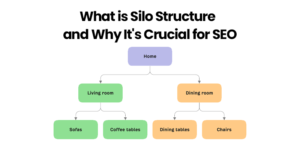
Organise your content into thematic clusters built around a strong pillar page. This structure improves internal linking, helps search engines understand topic relevance, and strengthens topical authority. Content clusters also make it easier for users to explore related information, increasing time spent on your website and improving overall search visibility.
Authority-building on topic
Publishing high-quality content on a consistent basis helps position your brand as a trusted source within your niche. When related articles are interlinked and updated regularly, they signal subject-matter expertise to both users and search engines, supporting long-term ranking stability.
E-E-A-T signals
Focus on improving Experience, Expertise, Authority, and Trust across your content. This includes adding author credibility, citing reliable sources, maintaining accurate information, and updating content regularly. Strong E-E-A-T signals are especially important for YMYL topics where trust and accuracy directly impact user confidence.
AI-enhanced content improvement
AI tools can support content research, idea generation, editing, and optimisation. However, human oversight remains essential to ensure factual accuracy, brand voice consistency, and natural readability. A balanced approach helps maintain quality while improving efficiency.
Repurposing Content across Platforms
Extend the reach of your content by repurposing blog posts into videos, infographics, social media carousels, or newsletters. This approach helps reinforce messaging, reach different audience segments, and maximise the value of each content asset across multiple channels.
Conclusion
Content optimisation is an ongoing process that combines planning, creativity, and basic technical knowledge. By following practical content optimization tips, businesses can create content that reaches the right audience, ranks better in search results, and provides real value. As search engines and user expectations continue to change, regular optimisation becomes necessary.
When done correctly, content optimisation improves visibility, builds brand trust, and supports steady digital growth. At EZ Rankings, we help businesses turn optimised content into real leads and revenue through performance-driven SEO and digital marketing services. Connect with EZ Rankings to achieve consistent, results-focused growth.